
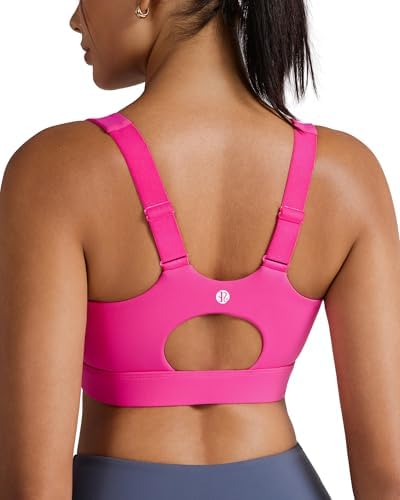
 Molded cup
Molded cups and wide adjustable straps give this high impact bra steady support for road running.
7,837 ratings
$19.99
The train log · Choosing notes · 3 min read
We sort our sports bras by the work they do against movement. A running stride asks for one kind of structure, while a seated pedal stroke asks for another. Here is how we build our bands, cups, and straps across the three levels of hold.
A high support bra relies on three structural pieces working together. The bottom underband sits wide against the ribcage and carries the main weight of the garment. Above it, molded cups hold their own curve without collapsing when the cloth stretches. The shoulder straps cut wide to distribute tension across the shoulder line rather than digging into a single point. We cut 32 bras with a fixed molded cup for high impact training. When vertical motion is high, these cups keep the front panel stable while the wide band stays anchored below.
Strappy backs are not only for light movement when the anchor points are placed correctly. We cut 22 strappy bras that hold at high impact. Multiple narrow straps cross and split across the shoulder blades, dividing the upward pull among several seam lines. This layout keeps the back panel flat during heavy training. The cups in these garments stay reinforced, and the underband keeps its wide base. The load spreads across the back grid instead of hanging on two straight lines, which keeps the garment seated during rapid turns and jumps.
Not every workout brings vertical bounce. A spin class keeps the torso mostly upright and seated on a saddle, where horizontal stability matters more than vertical lockdown. We cut 21 pieces for medium and light days. These garments use softer cup structures and lighter bands. The front panels compress evenly across the chest instead of locking it down with molded walls. You get steady hold through the torso without the extra bulk of heavy internal lining, which keeps the garment light when the work stays steady and seated.
Running and jump rope demand the highest resistance from a garment. Each foot strike sends energy upward through the torso, testing the lower band and the top of the cup at the same moment. If the cup wall is thin, the fabric stretches out under that motion. A slow floor routine or stretch class asks for none of that vertical resistance. Wearing a high support bra to a slow mat session is not wrong. It is simply tighter, heavier, and warmer than that hour of movement requires.
Washing keeps the elastic strong if you avoid direct heat. Put the bra into a mesh bag before it goes into the machine. Wash on a cold cycle with mild detergent so the underband maintains its tension over time. Molded cups can dent if dried under heavy items, so reshape the front panel with your hands while the cloth is damp. Lay the piece flat on a drying rack or hang it out of direct sun. High heat breaks down the stretch in the band and ruins the molded shape.
Match the bra to the motion of your session. High impact garments anchor vertical movement with structured cups and wide bands. Lighter pieces use simpler panels that breathe during seated work. Check the band width and strap layout before you dress for the workout.
Four pieces from the molded cup high support section, most rated first.
Molded cup7,837 ratings
$19.99
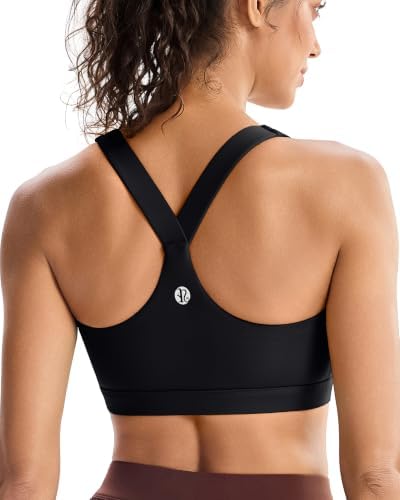 Molded cup
1,584 ratings
$23.99
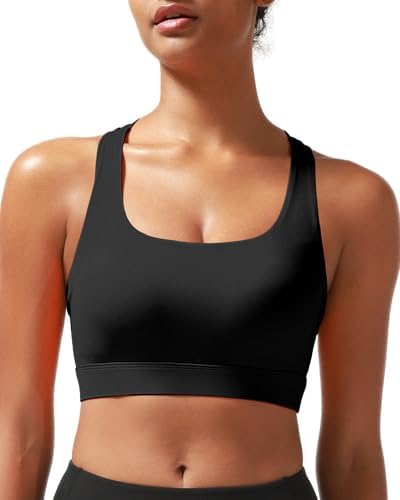 Molded cup
932 ratings
$23.99
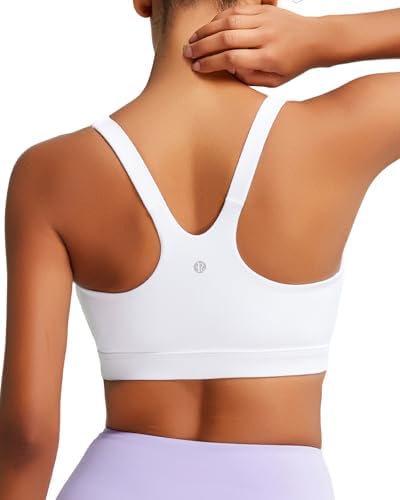 Molded cup
920 ratings
$19.99