
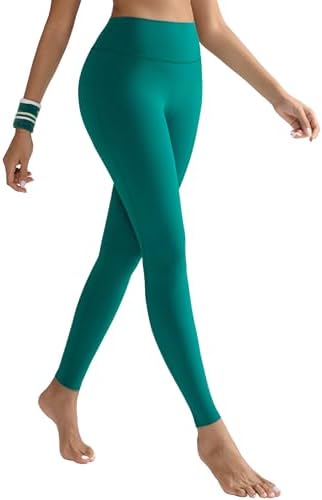
 High waist
A high rise legging built without a front rise seam, cut from smooth stretch fabric with added Lycra for light compression.
51 ratings
$28.00
The train log · Kit notes · 3 min read
We cut our leggings to work alongside our sports bras on the mat and on the floor. The waistband sits high on the trunk, past the soft waist and onto the torso. Five pairs sit on our rail, each cut to stay put through a long training session.
A low waistband sits across the soft tissue of the hips. When you fold or sit down, that soft line folds with you and the top hem rolls forward. We cut our five leggings with a high rise instead. The top seam finishes above the hip bone, right against the lower ribs. That bone gives the band something firm to anchor onto. The front panel stays flat when you hinge at the waist, and the back rise stays tall when you drop into a squat. A wide band distributes tension instead of digging in as a narrow cord would.
Test the cut at home before your first workout. Stand with your back to a mirror, bend forward at the waist, and look at the cloth across the glutes. The knit should stay opaque and hold its density when pulled wide. If the seat shows through or looks chalky, the tension is too high across the hips. Next, drop through a full squat and rise again. The top of the waistband should remain at the exact height where you placed it, without sliding down the lower back or bunching behind the knees.
We cut our leggings from the same cloth we use for our sports bras and bra tops. When you pair a high waist bottom with a longline bra or fixed molded cup top, you get a uniform tension across the torso. Wearing them together means both pieces take the same sweat and friction during a workout. Washing them together in the same cold load keeps the surface texture and matte finish consistent across the whole set. The cloth softens and ages together over a full season of training.
Soft, stretchy cloth has one clear weak point: rough external surfaces. A textured wooden bench, a rusted barbell knurling, or an open strip of velcro inside a gym bag can snag the fine loops of the knit. Once a loop pulls loose, the surface shows a small pill or fuzz mark that cannot be cut away. Keep your leggings away from exposed hook-and-loop closures inside your kit. Turn the pair inside out before packing it into your bag so the outer face stays clean and smooth.
Rinse your leggings after hard sweat sessions so salt does not dry into the yarns. Wash the pair in a cold wash cycle on a gentle spin. A mesh laundry bag shields the waistband and hems from catching on metal zippers or bra hooks in the drum. Never use fabric softener in the wash, because chemical softeners coat the yarns and block breathability. Hang the leggings by the ankles or lay them flat across a drying rack to dry naturally overnight. Keep them away from high tumble dryer heat.
A good pair of leggings does its job by staying where you put it. Give the waistband room to sit against bone, keep rough gear away from the soft face of the cloth, and wash the pair cold. The knit will stay thick and supportive through every workout.
Four pieces from the leggings section, most rated first.
High waist51 ratings
$28.00
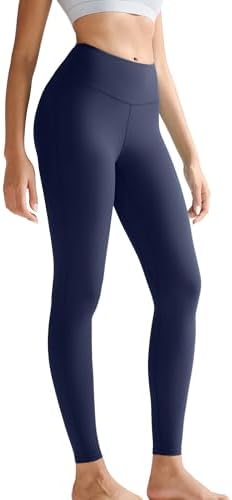 High waist
46 ratings
$29.99
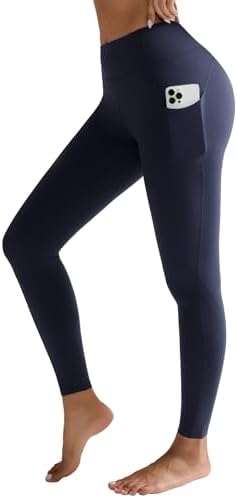 High waist
44 ratings
$28.00