
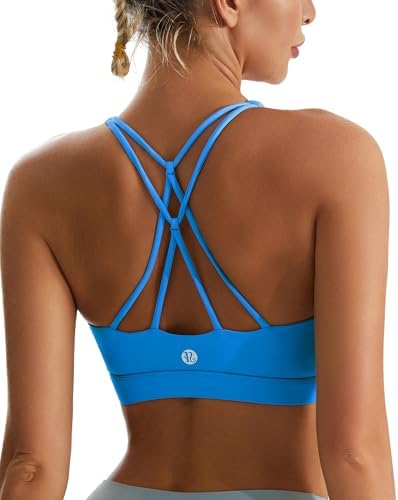
 Longline
A longline pullover bra in bright blue with a crisscross cutout back and an extended underband for steady support.
19,171 ratings
$23.99
The train log · Cutting notes · 3 min read
A crisscross back looks decorative on a hanger, but the strap angles do real mechanical work. We cut 22 strappy high impact bras using multiple narrow bands to distribute hold across the upper back. Here is how that construction works, what to inspect, and when a plain racerback makes more sense.
One wide strap pulls down on a single point across the shoulder. When we split that path into several narrow straps, the load spreads out across more surface. The geometry only works if the angles are right. Straps that cross diagonally brace against each other as you move, keeping tension steady without digging in. A single strap can roll or pinch under heavy tension, while three or four thinner lines lay flat and share the pull. The result is a secure hold that stays put during high impact training without needing a thick, heavy harness across your neck. Each strap has a specific line of pull back to the main band.
Straight straps tend to slide down when shoulders roll forward or arms reach overhead. A crisscross layout locks the strap position across your shoulder blades. Because the lines cross the upper spine diagonally, sideways arm movements pull the straps tighter against the body instead of pushing them off the edge of the shoulder. This holds the bra steady during overhead reaches, jumps, and lateral shifts. The crossed pattern acts as an anchor point that prevents the straps from slipping down your arms. You do not have to stop mid movement to hitch a strap back into place. It stays where we set the stitch line.
Check where those narrow straps meet the main underband. That join takes the most stress on the whole garment. The stitch line needs to be flat and reinforced so the strap does not pull loose from the band after repeated wear. Run your hand over the inner seam to confirm it lies smooth against bare skin. If the straps are twisted or bunched at the anchor, they will rub. Next, look at how the back cage sits relative to your shoulder blades. A well placed strap layout sits flat under a tank top without bunching, and the lower lines stay positioned so they remain covered under standard workout tops.
The honest trade with a strappy bra comes down to handling and laundry. Multiple narrow straps take a few extra seconds to untangle when you pull the piece over your head. In the wash, those loose cords can twist around other garments if left loose in the machine drum. Always close any fasteners and place the bra into a mesh bag before washing on a cold cycle. Let it dry flat overnight instead of using heat. The extra care keeps the thin elastic cords from stretching out unevenly, which would ruin the balance of the hold across your shoulders over a full training season.
Strappy backs are not the right tool for every workout setup. If you train under heavy outer layers or thick sweatshirts during cold months, nobody sees the back detail and the extra straps add unnecessary bulk. A standard racerback or wide scoop back goes on faster in a locker room and washes with zero fuss. If you want a piece that pulls on in one quick motion without checking strap alignment, choose a basic wide back instead. We keep plain back options in our range for athletes who prefer simple, direct construction over multi strap patterns that require careful adjustment.
Look at your training routine before picking a strap style. If you want distributed hold and zero shoulder slip during movement, choose one of our strappy high impact cuts. If you prefer quick changes and simpler laundry care, choose a solid racerback panel.
Four pieces from the strappy high impact section, most rated first.
Longline19,171 ratings
$23.99
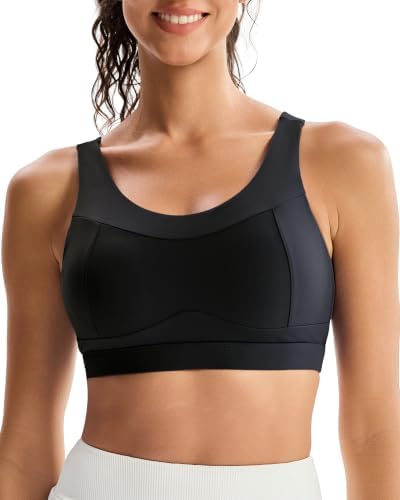 Molded cup
7,837 ratings
$18.99
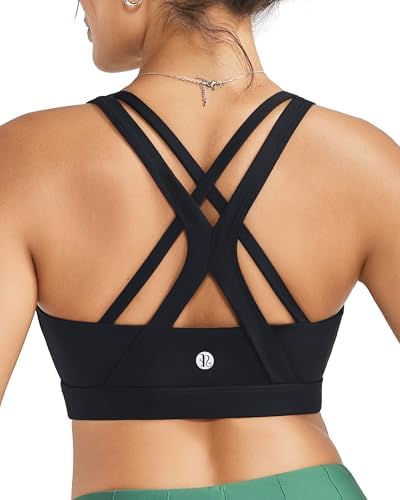 Crisscross
2,409 ratings
$19.99
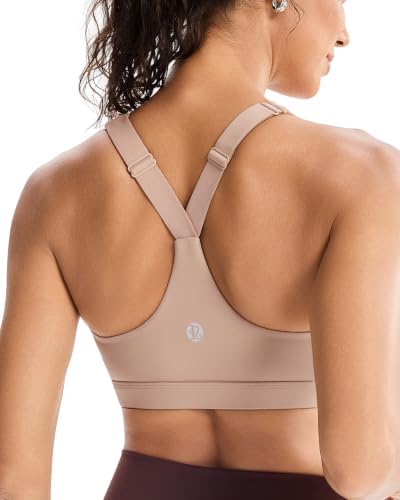 Molded cup
1,584 ratings
$23.74